Friday, October 24, 2008

Who Should Write Your College Recommendation Letters?

Recommendation letters are an important part of the application process, but not necessarily for the reasons you might think. The letters may not 'make' your application (your standardized test scores, grades, and other accomplishments will), but they can break your application. A poor recommendation letter really stands out since most recommendation letters are written from someone who strongly supports the applicant and writes a strongly positive letter. Therefore, it is important to get letter writers who you are confident will write you a strong letter.

A few pointers on recommendation letters (including the usual advice, in case you have not already read it):
  • Get letter writers who know you personally. A personal anecdote detailing how you show leadership or how you are talented goes a lot further than someone simply regurgitating your resume in letter form.

  • Find letter writers who can speak to different strengths of yours, especially if your application is heavily tilted towards one field. For example, if you are strong in the sciences, you should definitely get one letter from a biology or chemistry teacher. However, your other letter should be from an English teacher or history teacher or track coach, showing another dimension of your personality and talents.

  • Ask EARLY. Popular letter writers often get swamped with requests, and may only be able to write a certain number of letters before the deadlines you have to meet.

  • Help them help you. Provide them with a resume detailing all your accomplishments as well as any other material necessary to complete the letter (this includes stamped and addressed envelopes if necessary).

  • In addition to providing background material, ask the letter writer if you could talk to them for a few minutes (or just do this when you hand them the materials). Tell them what you want said in the letter. Discuss what your plans and goals are. Trust me, it will help them write a more coherent narrative about who you are.

  • Seek out advice from the class above you about who good letter writers are. Good letter writers are enthusiastic, punctual, and willing to discuss your letter with you.
Hope that helps! Good luck!

Wednesday, October 22, 2008

Harvard Applicant Profile: Artistic Talent

Today's Harvard Applicant Profile is the artistic talent. If you are not a legacy or an athlete, perhaps you are a world-renowned artist. While the arts may not be the first thing that comes to mind when one thinks of Harvard, the University actually has a strong presence in many artistic fields. The Office for the Arts at Harvard documents the many arts-related events occurring at Harvard. Students can participate in many art-related projects inside their courses and out. These projects are often presented at the annual ARTS FIRST festival, held each spring.

Many talented artists are Harvard alumni, including various authors, artists, musicians, directors, and actors. Famous alumni include:

http://img2.timeinc.net/ew/dynamic/imgs/070307/mira_l.jpg
Mira Nair


http://www.romansalickiphotography.com/headshots/images/John%20Lithgow.jpg
John Lithgow


http://www.cnn.com/SHOWBIZ/TV/9905/28/inherit.the.wind/jack.lemmon.jpg
Jack Lemmon


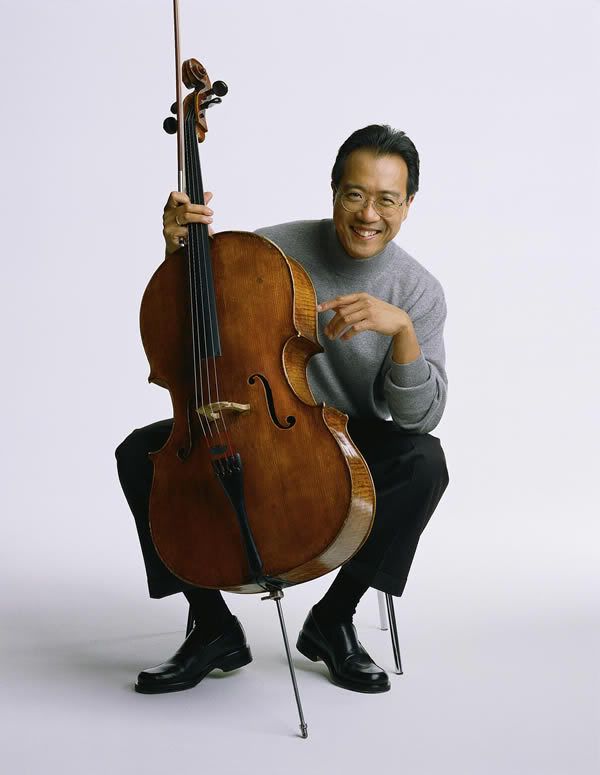
Yo-Yo Ma


http://meaningfuldistractions.files.wordpress.com/2008/07/matt_damon.jpg
Matt Damon

and

http://images.askmen.com/galleries/actress/natalie-portman/pictures/natalie-portman-picture-6.jpg
Natalie Portman

What does all this mean to you as an applicant? Well, if you are a world-class talent, congratulations! You're in! But, even if you are not, that's okay. If you are a superlative talent in a particular well-known field (ex. playing the violin) or if you have a unique artistic talent (ex. playing the tabla), you will certainly stand out from the crowd. However, you will still require good academic credentials. Furthermore, if your main 'argument' for why Harvard should accept you is your artistic talent, it had better be something very noteworthy. This is not meant as discouragement, but rather merely a statement of fact. Many students at Harvard are artistically talent; it is the rare few who are there primarily because of that talent.

Next time, I will discuss the Leadership Potential / Underserved Minority profile.


Monday, October 20, 2008

Harvard Applicant Profile: Athlete


A recent post discussed the legacy applicant. Today, I will discuss the next type of Harvard applicant: the athlete. The purpose of describing these profiles is not to stereotype any member of the Harvard community. Rather, the purpose is to enlighten prospective students about what types of candidates Harvard is seeking. In fact, many undergraduates fall into several of the categories that I will describe.

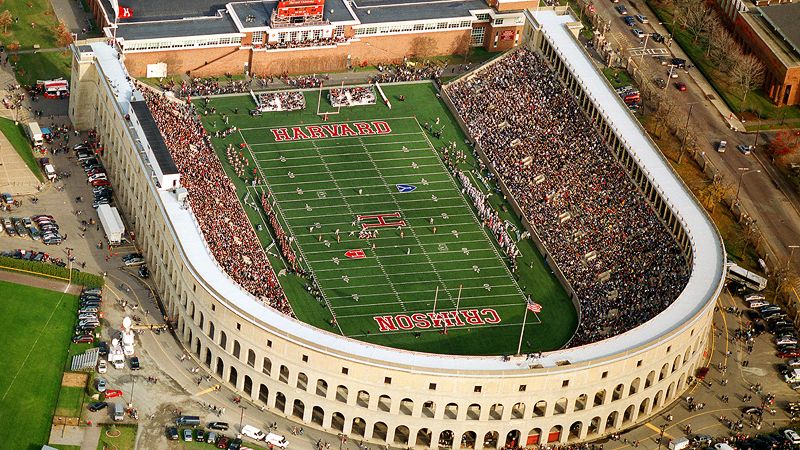
When most people think of Harvard, athletics is far from their first thought. However, as the nation's oldest college, Harvard has a long tradition of athletics. As the GoCrimson site notes, Harvard has a strong presence in athletics:

Harvard's legacy of consistent success in intercollegiate athletics mirrors its reputation as the world's finest institution of higher learning.

Harvard fields 41 varsity teams, the most among the nation's NCAA Division I colleges and universities. Nearly 1,500 Harvard undergraduates - or 20 percent of the student body - participate in intercollegiate athletics.

Since its participation in the nation's first college athletic event - a two-mile crew race against Yale in 1852 - Harvard has been a consistent leader in the world of college sports.

Given this history, Harvard is keen on recruiting the best and brightest scholar athletes. While Harvard is no longer necessarily competitive with some athletic powerhouses in marquee college sports, Harvard still looks for students who excel in their own sport as well as in academics.

What this means for the potential applicant is that you must be quite talented in your sport and have reasonable academic credentials. I have often witnessed applicants (or, more commonly, their parents) talking to admissions officers with a misconception of the role athletics plays in admissions. The parents will note that their child has done well academically (top 15%, let's say) and has also participated in say, tennis, for all 4 years of high school, winning at the district level. Not to belittle their accomplishments, but this will likely not be enough to secure them admission.

Harvard wants students who compete at the state and national level in their sports AND have good academic credentials. Many Olympians and future professional athletes have attended Harvard, so being "athletic" is not enough. If you consider the quote above, the fact that 20% of students participate in athletics (a much higher percentage than most other schools) should emphasize how seriously Harvard takes its sports.

Another factor to consider is the diversity of sports played at Harvard. It is better for the applicant to be a premier squash player or fencer than to be an All-State wide receiver from a small state. Many high school students will have good grades and play traditional sports like basketball, football, tennis, or soccer. Relatively few will participate in Greco-Roman wrestling or crew.

If you want to go to Harvard based on your athletic ability, keep these factors in mind. Future posts will tackle the next applicant profile, the artistic talent.